U.S. Immigration Battle Escalates as Court Orders Defied in Kilmar Abrego García Case
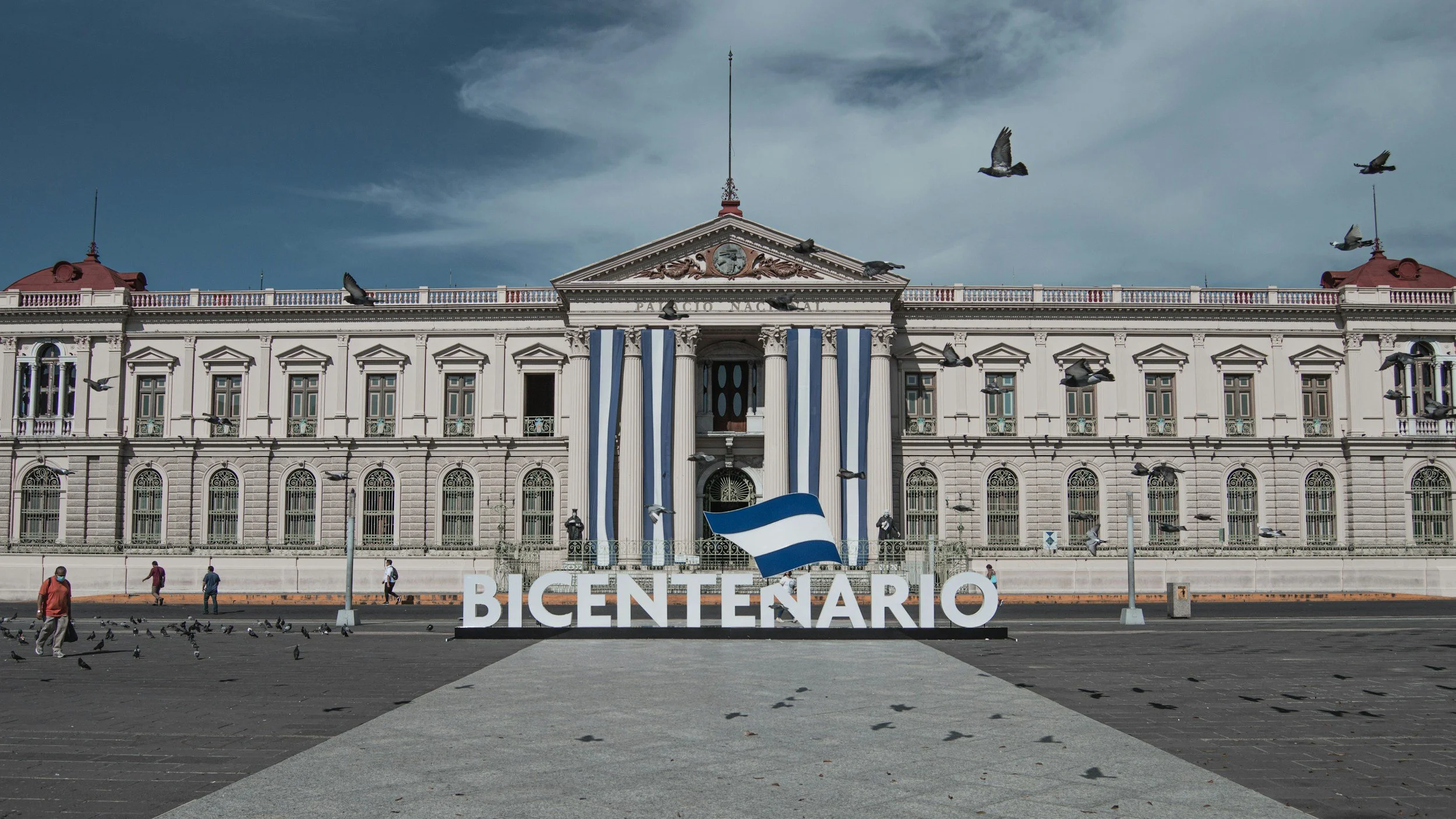
Salvadoran President Nayib Bukele has asserted he has no intentions of assisting in Abrego García’s return to the U.S. In a meeting in the Oval Office. (Esaú Fuentes González/Unsplash).
Kilmar Abrego García remains imprisoned in El Salvador, defying multiple U.S. court orders for his return, fueling a legal and diplomatic standoff over the Trump administration’s immigration policies and its disregard for judicial rulings.
Article by Stella Smith, Associate White House Correspondent
WASHINGTON - As of April 22, 2025, despite multiple U.S. court orders mandating his return, Kilmar Abrego García remains imprisoned in El Salvador. As a Maryland resident and former asylum seeker, Abrego García’s case has become a controversial topic in the ongoing conflict between the Trump administration and the judiciary over immigration enforcement.
In March 2025, Abrego García was mistakenly deported to El Salvador in defiance of a federal court order halting his removal. This original order prohibited his removal from the U.S. because he faced credible threats of violence at the hands of Barrio-18, a notorious transnational gang in El Salvador, from which he claimed he was seeking asylum. Abrego García was initially detained in El Salvador’s CECOT super-prison, but has since been relocated to the Centro Industrial Penitentiary facility in Santa Ana, which is reported to have better living conditions.
Although the U.S. Supreme Court has ruled the Trump administration must 'facilitate' Abrego García’s return to Maryland, the government has yet to comply.
The White House alleges that Abrego García is affiliated with MS-13, a transnational Salvadoran gang classified as a foreign terrorist organization, however, he denies any involvement and has never been convicted of a crime. Administration officials like Press Secretary Karoline Leavitt have told media sources there is no point in returning Abrego García to the states, claiming he will “promptly be deported again.”
In response to the Trump administration’s defiance, Maryland Senator Chris Van Hollen traveled to El Salvador to advocate for Abrego García’s release. Although he was initially denied access, Van Hollen eventually met with Abrego García, informing him that politicians and human rights organizations in the U.S. were fighting to bring him back. The senator emphasized the importance of upholding due process and rule of law, stating, “No one should be disappeared across borders in defiance of a court order.”
Other democratic lawmakers such as Rep. Maxwell Frost (Florida) and Rep. Yassamin Ansari (Arizona) have requested to visit Abrego García, however, El Salvador’s government rejected these requests on Monday, April 21st, claiming they would not be entering El Salvador “in an official capacity.”
Salvadoran President Nayib Bukele has asserted he has no intentions of assisting in Abrego García’s return to the U.S. In a meeting in the Oval Office, Bukele told reporters, “The question is preposterous. How can I smuggle a terrorist into the United States?”
As this legal battle continues, it highlights current tensions between immigration enforcement policies and the rule of law in the U.S. under the Trump administration’s efforts to expedite deportations and bypass judicial oversight. This case serves as a critical example of how executive actions can challenge established legal procedures, raising important questions about the balance of power between branches of government.