Pope Francis’ Funeral Arrangements Reflect a Life of Humility
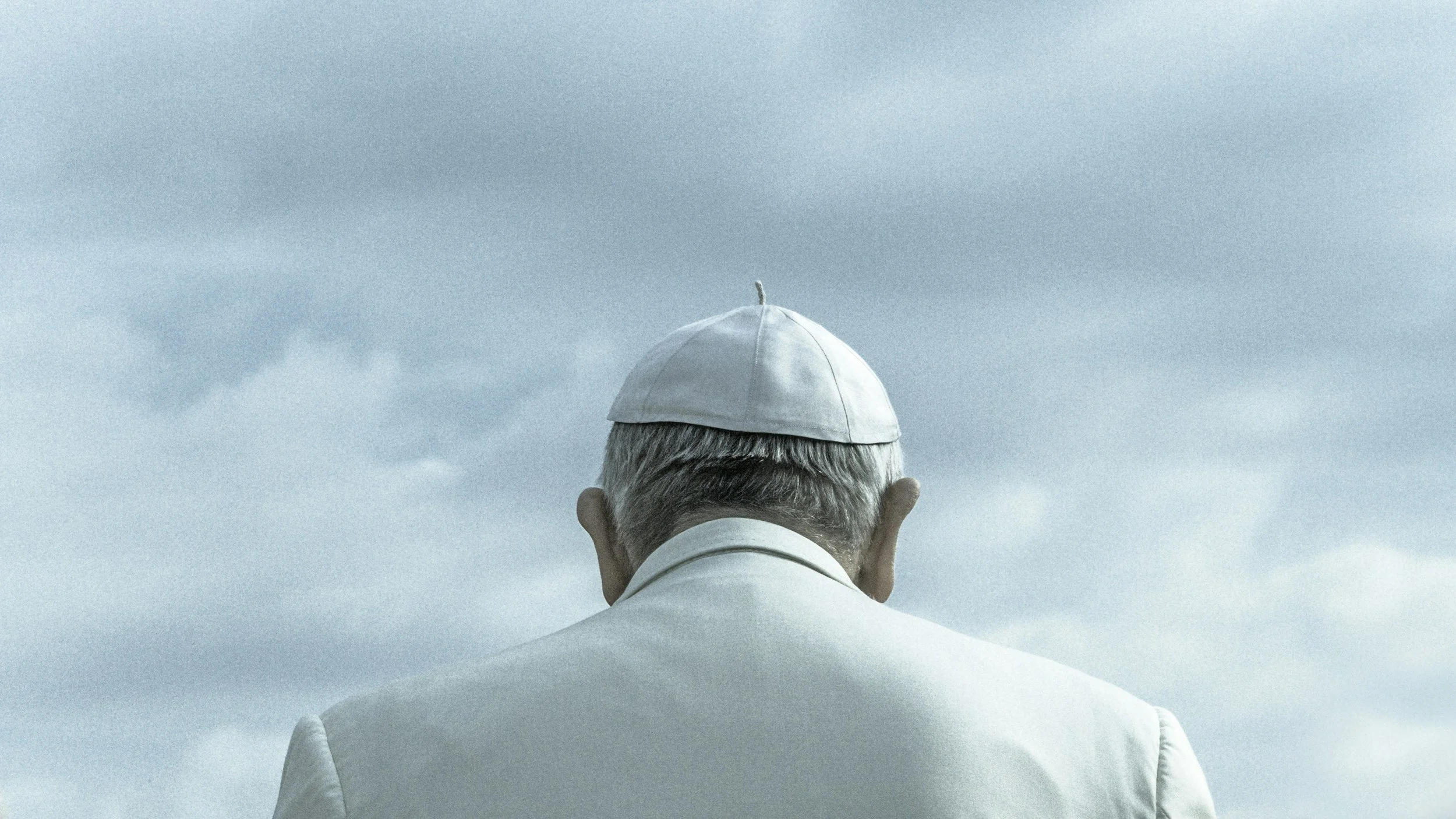
Pope Francis’ funeral arrangements, emphasizing simplicity and pastoral care, reflect the values he championed throughout his papacy. (Coronel G/Unsplash)
In a break from tradition, Pope Francis’ funeral will feature simplified rites, a modest burial, and a clear message that his legacy was one of service over ceremony.
Article by Stella Smith, Associate White House Correspondent
VATICAN CITY - Pope Francis, who passed away on April 21st, 2025, will be laid to rest on Saturday, April 26th in a funeral ceremony which reflects his commitment to humility. The funeral mass is scheduled for 10:00 a.m. local time (CEST) in St. Peter’s Square, Vatican City, and will be presided over by Cardinal Giovanni Battista Re, Dean of the College of Cardinals.
In line with his wishes, Pope Francis’ funeral will be simple, removing much of the pomp and formality traditionally associated with papal funerals. Prior to his passing, he personally approved changes to these long-established rites, aiming to replace elaborate customs with a more humble and understated ceremony.
Instead of the traditional three-layered coffin made of cypress, lead, and oak, Pope Francis chose a single wooden casket lined with zinc. His body will lie within the closed coffin rather than being displayed on a raised platform, mirroring the simpler customs used for diocesan bishops.
In another notable break from tradition, Pope Francis will not be buried in the Vatican. He will rest in the Basilica of St. Mary Major in Rome, a church he visited often and held in deep personal regard. He will be the first pontiff since Pope Leo XIII in 1903 to be buried outside of the Vatican.
The funeral will also mark the beginning of the “Novendiale,” a nine-day period of mourning, during which daily masses will honor Pope Francis’ memory. After this mourning period has ended, the conclave process of selecting the new pope will begin. Cardinals from around the world will gather to elect his successor.
Leaders and dignitaries from around the world are expected to attend the funeral, paying their respects to a spiritual leader who pioneered a renewed focus on inclusion and global social change.
Pope Francis’ health had been in decline, with the Vatican confirming that he died from a cerebral stroke leading to a coma and irreversible cardiocirculatory collapse. He also suffered from multiple other health issues, including pneumonia, hypertension, and type II diabetes.
Pope Francis’ funeral arrangements, emphasizing simplicity and pastoral care, reflect the values he championed throughout his papacy. Even in death, he made it clear that his role was to serve rather than to be exalted. His simplified funeral and modest burial choice are final examples of his desire to make the Church more compassionate, grounded, and focused on the needs of ordinary people.