President Trump’s Acceptance of Qatari Luxury Jet Sparks Legal Debate
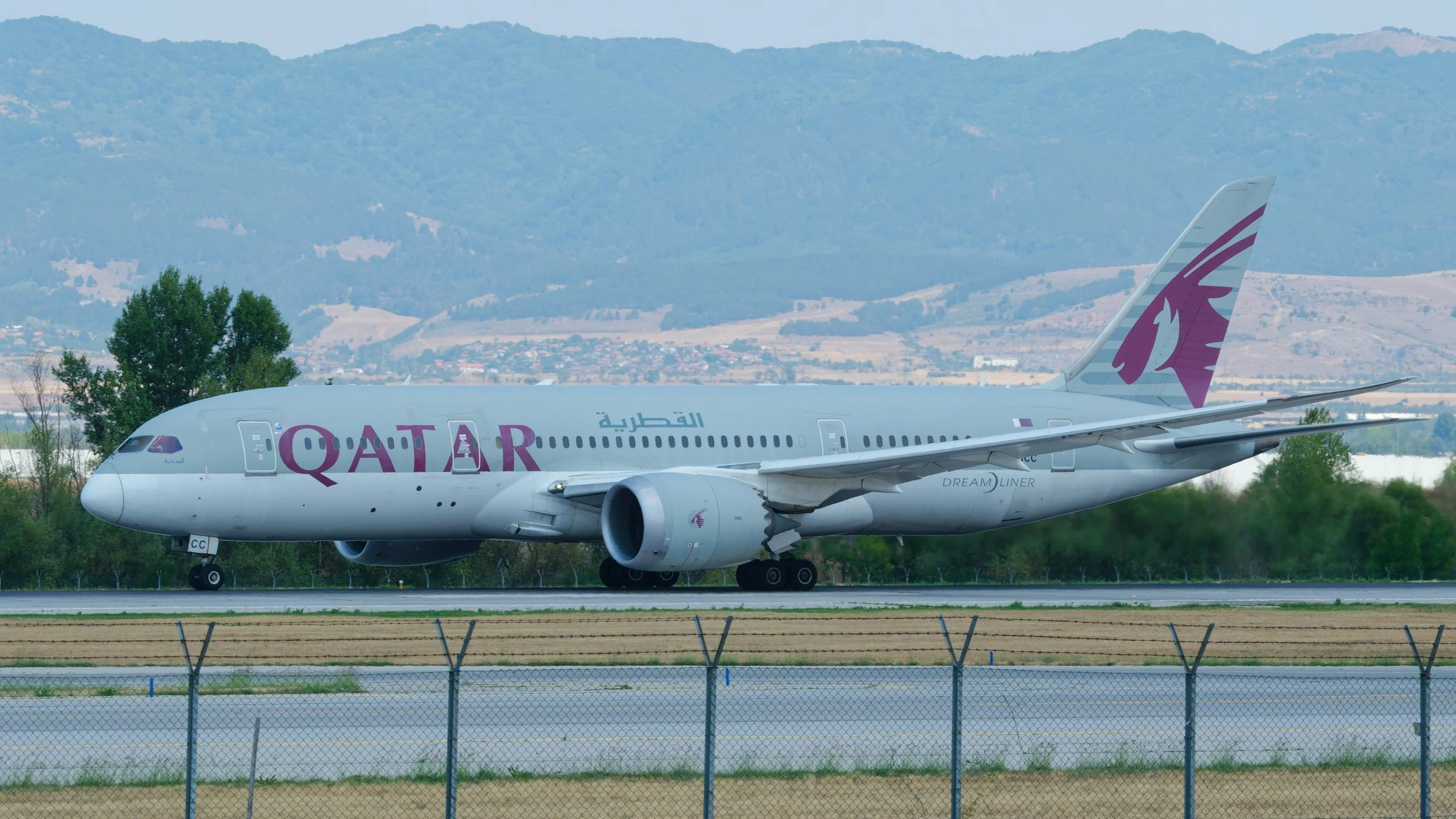
President Trump’s relationship with Qatar has evolved drastically since his first presidential term, in which he publicly backed a regional blockade against the country, accusing it of financing terrorism (Sevcan Alkan/Unsplash).
President Trump’s acceptance of a $400 million Qatari jet has sparked bipartisan debate regarding constitutional limits, foreign influence, and national security as lawmakers push back against the use of the foreign-owned aircraft for presidential travel.
Article by Stella Smith, Associate White House Correspondent
WASHINGTON - In recent weeks, President Trump’s decision to accept a $400 million Boeing 747-8i jet from the Qatari government has raised significant ethical, legal, and national security concerns amongst policymakers across the country. While the plane has yet to be officially designated as the presidential aircraft, preparations to modify it for the potential use of the executive branch are underway, prompting bipartisan scrutiny and renewed debate over foreign influence and constitutional boundaries.
The aircraft, registered as P4-HBJ, was formerly used by Qatar’s royal family and is outfitted with custom interiors, including private suites, leather seating, and gold-accented décor. According to multiple sources, the jet was offered to President Trump earlier this year and has since been transferred to a U.S.-based holding company.
This development comes amid ongoing delays in the effort to replace the current Air Force One jet. The project, overseen by Boeing and initially budgeted at $3.9 million, has faced multiple setbacks and is now projected to be completed as late as 2030, with total costs surpassing $5 billion. President Trump has expressed frustration with Boeing’s progress and has positioned the Qatari jet to be a potential interim solution.
Despite arguments favoring expediency, this arrangement has sparked concern as to whether accepting a high-value aircraft from a foreign government violates the Constitution’s Emoluments Clause. This clause prohibits U.S. officials from accepting gifts or benefits from foreign states without the consent of Congress.
In addition to growing bipartisan concern, on May 14th, Senate Majority Leader Chuck Schumer introduced legislation which would prohibit the Department of Defense from funding the acquisition, retrofitting, or use of any foreign-owned aircraft for presidential or senior executive travel. The bill, known as the Presidential Airlift Security Act, has gained traction among lawmakers concerned about the transparency of national security.
“Accepting a luxury jet from a foreign power, regardless of how it’s framed, raises serious questions about influence and propriety,” Schumer said in a public statement.
President Trump’s relationship with Qatar has evolved drastically since his first presidential term, in which he publicly backed a regional blockade against the country, accusing it of financing terrorism. In recent months, President Trump has praised Qatar’s role as a diplomatic intermediary in talks with Iran, the Taliban, and Hamas. The aircraft’s Qatari origin has therefore raised additional questions about the broader diplomatic implications of the gift, especially given Qatar’s continued efforts to maintain influence in U.S. politics.
As the modified Qatari jet undergoes evaluation, it remains uncertain whether it will ultimately serve as Air Force One or be given another designation. Nonetheless, the debate over accepting foreign gifts of this magnitude for presidential use raises ongoing questions about the limits of executive authority.