Trump and Putin Discuss Ceasefire Options in Ukraine
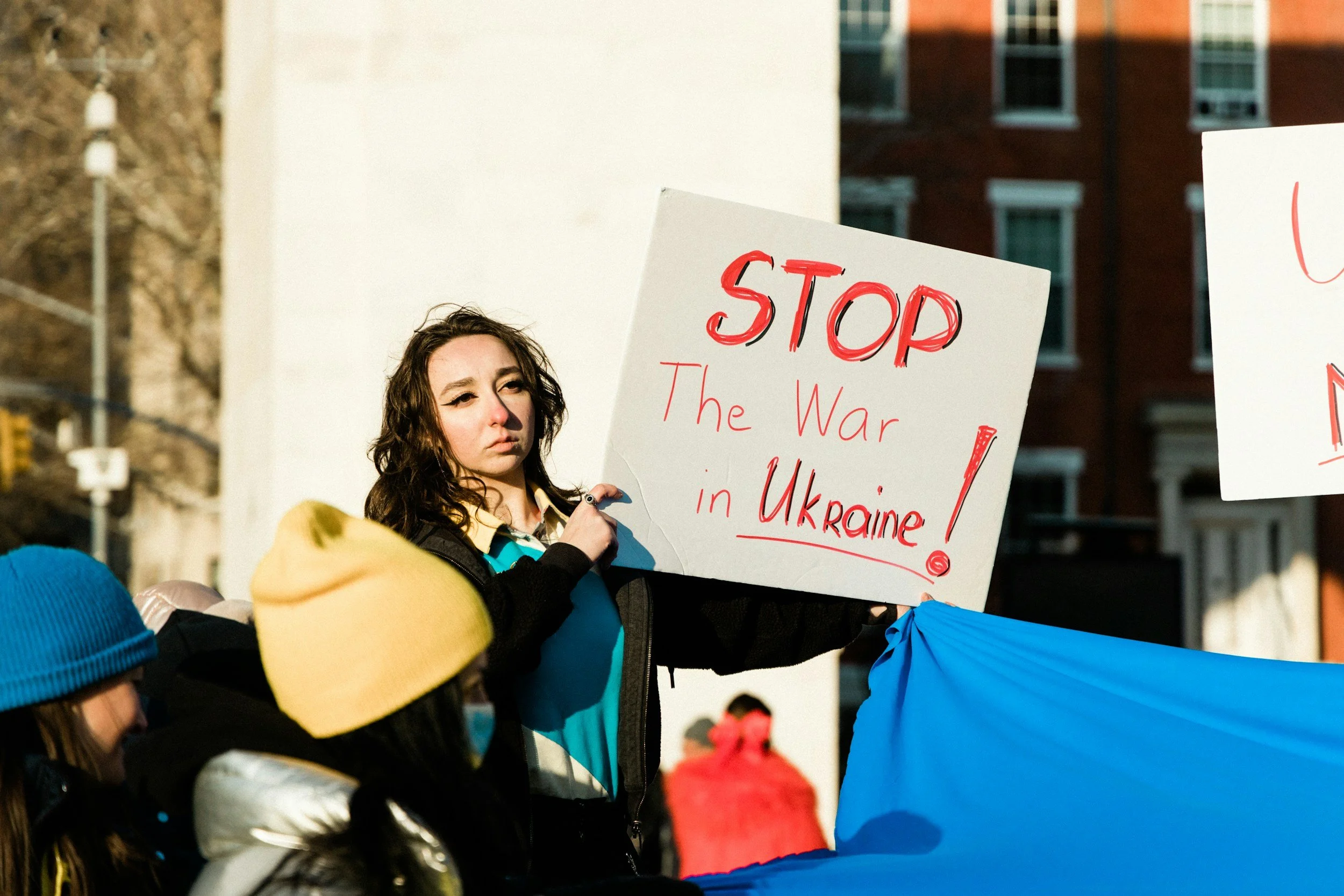
During these talks, both Donald Trump and Vladimir Putin expressed a shared and optimistic interest in future economic cooperation if peace between Ukraine and Russia can be achieved. (José Pablo Domínguez/Unsplash).
In a phone call on Tuesday, President Trump and Russian leader Vladimir Putin discussed a potential ceasefire arrangement for the ongoing war in Ukraine. The two leaders agreed to a 30-day pause on energy infrastructure strikes and began outlining conditions for a future peace agreement.
Article by Stella Smith, Associate White House Correspondent
WASHINGTON - In a phone call on Tuesday, President Trump and Russian leader Vladimir Putin discussed potential ceasefire arrangements for the ongoing war between Russia and Ukraine. Despite support from Ukraine for a US-crafted 30-day ceasefire, Putin rejected this proposal, calling for a less expansive agreement.
Putin cited several concerns upon dismissing this temporary ceasefire proposal. According to the Kremlin’s official readout of the call, Putin expressed doubts about Ukraine’s willingness to adhere to any ceasefire agreement, noting that previous attempts had been undermined by a pattern of non-compliance in deals with Kyiv, the capital of Ukraine.
Additionally, Putin demanded that a ceasefire proposal include a condition to stop forced mobilization in Ukraine and rearm the Ukrainian Armed Forces.
In place of the rejected 30-day ceasefire, Trump and Putin both backed a narrower proposal focused specifically on energy infrastructure. In the U.S. readout summarizing this call, it was written that “Donald Trump put forward a proposal for the parties of the conflict to mutually refrain from striking energy infrastructure facilities for 30 days. Vladimir Putin responded positively to this initiative and immediately gave the Russian military the corresponding command.”
Russian leadership has also expressed a key condition for any permanent peace agreement would be to end U.S. and European support in Ukraine. More specifically, governmental leaders emphasized that a long-term ceasefire agreement would require halting foreign military assistance to Ukraine, including the provision of intelligence information. This demand raised significant concerns among U.S. and European officials, and whether it will be accepted remains to be seen in coming weeks.
During these talks, both Donald Trump and Vladimir Putin expressed a shared and optimistic interest in future economic cooperation if peace between Ukraine and Russia can be achieved. The U.S. readout of the call noted that “The two leaders agreed that a future with an improved bilateral relationship between the United States and Russia has huge upside. This includes enormous economic deals and geopolitical stability when peace has been achieved.”
Despite the steps taken in this initial conversation, both leaders agreed that further communication would be necessary to reach a lasting resolution. Negotiations will continue on broader ceasefire terms, with an emphasis on the economic impact of the war and the need for continued diplomatic engagement. The immediate focus will remain on the ceasefire proposal, but both sides remain open to discussions on a more comprehensive resolution.